
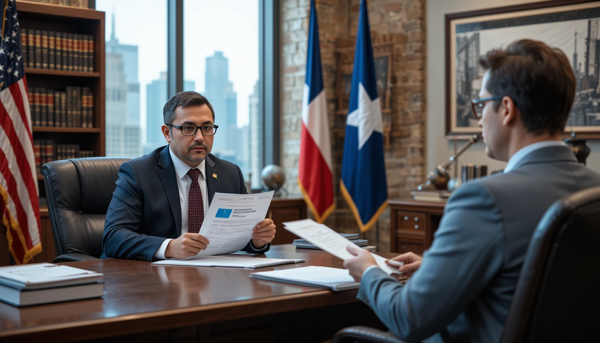
Finding a Political Asylum Lawyer in Dallas is essential for success—get expert legal guidance to protect your rights and secure a safer future.
Finding a Political Asylum Lawyer in Dallas: What You Need to Know
Seeking asylum in the United States is a life-changing and often urgent decision. For individuals facing persecution in their home countries due to political beliefs, asylum offers a path to protection and stability. However, the process is legally complex and emotionally challenging. That’s why working with a qualified political asylum lawyer in Dallas is critical for anyone filing an asylum application in this region.
What Is Political Asylum?
Political asylum is a form of protection granted to individuals who have suffered persecution—or fear future persecution—based on specific grounds. These include:
- Political opinion
- Race
- Religion
- Nationality
- Membership in a particular social group
A person must be physically present in the U.S. or at a port of entry to request asylum. If granted, asylum allows the individual to remain in the U.S., work legally, and eventually apply for permanent residence.
Difference Between Asylum and Refugee Status
Both asylum seekers and refugees seek protection, but the main difference lies in location. Refugees apply for protection from outside the U.S., while asylum seekers request it after arriving in the country.
Why Legal Representation Matters
Asylum law is highly technical and requires applicants to meet strict legal criteria. Mistakes or missing documentation can result in denial or even removal proceedings. A political asylum lawyer in Dallas understands the local immigration courts, asylum offices, and procedural requirements that apply in Texas.
Benefits of Hiring an Asylum Lawyer
- Case Evaluation: A lawyer can assess whether your situation meets the legal definition of asylum.
- Document Preparation: Attorneys help gather necessary documents, including affidavits, country condition reports, and personal statements.
- Interview Preparation: Asylum seekers must attend a detailed interview with an immigration officer. Legal guidance can help ensure clarity and consistency.
- Court Representation: If your case goes before an immigration judge, your lawyer will argue your case and handle legal motions.
The Asylum Process: Step-by-Step
While each case is unique, the asylum process generally follows a structured path:
Step 1: Filing Form I-589
This is the official asylum application form. It must be submitted within one year of arriving in the U.S., although exceptions can apply for changed circumstances or extraordinary conditions.
Step 2: Biometrics Appointment
After filing, the applicant will be scheduled for fingerprinting and background checks.
Step 3: Asylum Interview or Hearing
Depending on the type of case (affirmative or defensive), the applicant will either attend an asylum interview at the USCIS office or appear in immigration court.
- Affirmative asylum: Filed proactively with USCIS.
- Defensive asylum: Filed as a defense during deportation proceedings.
Step 4: Decision
The outcome may be granted asylum, referred to immigration court, or denied. If denied, appeals or motions to reopen may be possible.
Challenges Faced by Asylum Seekers
Filing for asylum is emotionally draining, especially when individuals are already coping with trauma or fear. Some of the common challenges include:
- Proving persecution: Evidence from the home country can be hard to obtain.
- Language barriers: Miscommunication can lead to misunderstandings in interviews or court.
- Strict deadlines: Missing the one-year filing deadline without a valid reason can jeopardize the entire case.
- Legal complexity: Understanding what qualifies as “political opinion” or a “particular social group” is not always straightforward.
Why Location Matters: Choosing a Lawyer in Dallas
Immigration courts and asylum offices operate differently across the country. A political asylum lawyer in Dallas is familiar with:
- Dallas Immigration Court procedures
- Local USCIS asylum office interview trends
- Regional approval rates and common pitfalls in Texas cases
Choosing someone local ensures they can attend hearings in person and maintain direct contact with clients when needed.
Qualities to Look For in an Asylum Attorney
Not all immigration lawyers specialize in asylum. When selecting a legal representative, look for:
- Experience with asylum cases, especially political asylum
- Knowledge of the Dallas immigration system
- Ability to communicate clearly and explain complex legal ideas
- Strong reputation and ethical standing (check with the Texas State Bar or online legal directories)
Supporting Resources
The following resources may be helpful to those seeking asylum or legal support:
- USCIS Asylum Page – Official forms and process information
- Texas State Bar Lawyer Referral Directory – To verify credentials or locate attorneys
- Human Rights First – Asylum Resources
Summary
Applying for asylum is one of the most critical steps a person can take to protect their life and future. However, the legal process is filled with challenges, technicalities, and strict requirements. A knowledgeable political asylum lawyer in Dallas plays a key role in guiding applicants through this journey—from preparing paperwork and gathering evidence to representing them in court. Choosing an experienced and locally-informed attorney can make the difference between success and denial.
FAQs
1. How do I find a political asylum lawyer in Dallas?
Start by searching online legal directories or the Texas State Bar. Look for lawyers who specialize in asylum and have experience in Dallas courts. Check reviews and schedule a consultation.
2. What documents do I need for an asylum case?
You’ll need Form I-589, identification documents, and evidence of persecution. This can include affidavits, news reports, or expert letters. A lawyer can guide you in gathering everything required.
3. What is the asylum process in Dallas like?
It begins with filing Form I-589, followed by biometrics and an interview or court hearing. The process depends on whether your case is affirmative or defensive. Local legal help is key to navigating the steps.
4. Can a Dallas lawyer help with a denied asylum?
Yes, a political asylum lawyer in Dallas can help file appeals or motions to reopen your case. They understand local procedures and deadlines. Acting quickly is critical after a denial.
5. Why is the one-year filing deadline important?
You must apply for asylum within one year of arriving in the U.S. Missing this deadline can lead to automatic denial unless exceptions apply. A lawyer can help prove changed or extraordinary circumstances.