

Did you know 4.4 million people get hurt in car accidents each year in the U.S.? Many don’t know they can get compensation.
After a car accident, things can feel really tough. But knowing your rights is key to getting the help you need. Compensation isn’t just for now. It’s for your future health and money too.
Personal injury claims can be tricky. But knowing your rights helps a lot. People who get a lawyer often get more money than those who don’t.
Key Takeaways
- Understand your legal rights immediately after a car accident
- Document everything related to the accident and your injuries
- Know the possible types of compensation you can get
- Think about getting a lawyer’s help
- Don’t wait too long to start your claim
Understanding Your Legal Rights Post-Accident
After a car crash, the legal world can seem tough. Getting car crash legal advice is key to protect your rights and get fair pay. Accident victims often feel lost and unsure of what to do next.
The Importance of Legal Rights
Your legal rights are your main defense after a car accident. Knowing these rights helps you:
- Keep safe from unfair insurance tricks
- Get the right pay for damages
- Learn about your recovery choices
- Avoid big financial losses
Common Misconceptions
Many accident victims get their legal rights wrong. Important mistakes can hurt your claim. Some think:
- Insurance companies always offer fair deals
- You must take the first offer
- Going to court is too pricey
- Small accidents don’t need legal papers
Importance of State Laws
State laws play a big role in accident victim rights. For example:
- Missouri gives five years to sue for injury
- Kansas has two years to sue
- How much you get paid depends on who was at fault
It’s vital to know these laws to protect your rights and get fair pay after a car accident.
Types of Compensation Available
When you need help after a car crash, knowing about compensation is key. Compensation helps victims get back on their feet financially. It offers relief for the harm they’ve faced.
Car crash victims can get different kinds of compensation. These help with both financial and personal losses. The main types are:
- Medical Expenses
- Lost Wages
- Pain and Suffering
- Property Damage
Medical Expenses Compensation
Medical costs are a big part of claims. Victims can get back money for:
- Emergency room visits
- Hospital stays
- Ambulance rides
- Medicines
- Physical therapy
- Rehab costs
Lost Wages Recovery
If injuries stop you from working, you can get compensation for lost wages. This includes money for what you’re missing now and what you might miss in the future.
Pain and Suffering Compensation
Non-economic damages cover emotional and mental harm. The amount depends on how bad the injury is and how it will affect you long-term.
| Damage Type | Typical Compensation Range |
|---|---|
| Medical Expenses | Actual documented costs |
| Lost Wages | Percent of current and future income |
| Pain and Suffering | 1.5-5x medical expenses |
| Property Damage | Repair or replacement costs |
Property Damage Claims
Compensation for property damage covers car repairs, replacements, and any loss in value. When filing a claim, it’s important to document all damage for the best outcome.
What to Do Immediately After an Accident
After a car accident, it can feel overwhelming. But, taking the right steps can help protect your rights. It also helps with getting compensation for injuries.
Right after a crash, your actions matter a lot. They can affect the law and your legal claims. Knowing what to do is key for your safety and legal protection.
Call Emergency Services Immediately
Your safety is the top priority. Call 911 if:
- There are any injuries, even small ones
- The accident blocks traffic
- Vehicle damage looks big
Gather Critical Evidence
A lawyer for car accidents will say evidence is key. Get this info:
- The other driver’s contact and insurance info
- License plate numbers
- Photos of the accident scene
- Witness contact info
Notify Your Insurance Company
Telling your insurance right away is important. Report the accident fast, giving correct details without saying you were at fault. Keep records of all talks for legal use later.
Getting medical help is also key, even if you feel okay. Some injuries might not show up right away. Medical records are important for claims.
The Role of Police Reports
Police reports are very important for car accident claims. They help you understand your rights after an accident. These reports give a clear story of what happened, which is key for legal help or insurance claims.
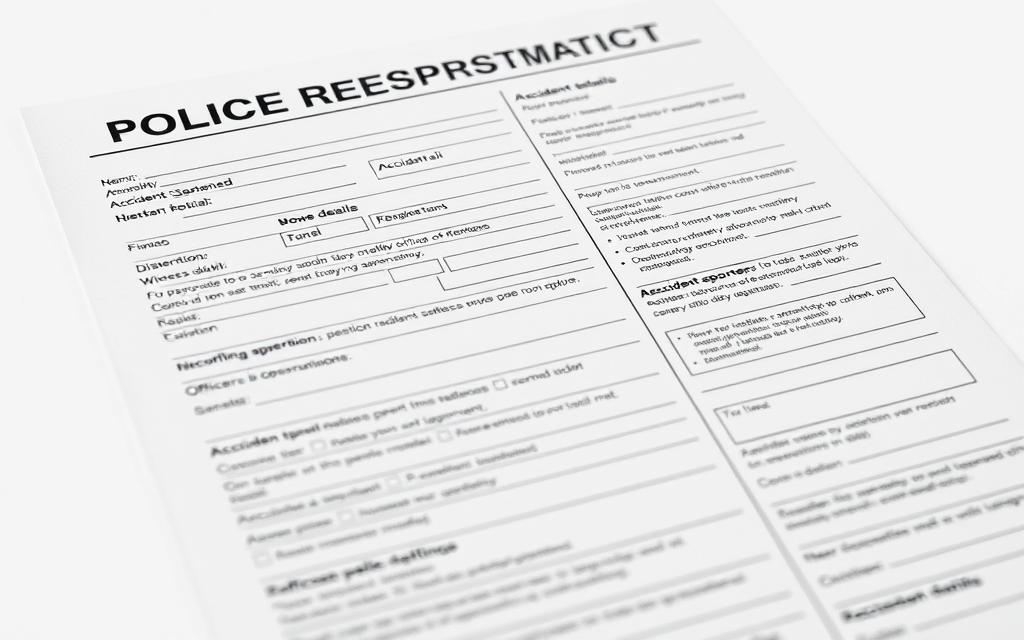
Filing a police report after a crash is very important. It helps you get damages and protect your rights. The police make an official record that is very useful in legal and insurance cases.
Importance of Documentation
A detailed police report has many benefits for hit and run victims:
- It gives a fair account of the accident
- It lists important details about the cars
- It includes what witnesses said
- It notes what the officer saw about the road
- It is key evidence for insurance claims
How to Obtain a Police Report
Getting a police report is easy. Costs are $5 to $25, based on the police department. Reports are usually ready in 5 to 10 business days.
- Call the police department where the accident happened
- Tell them about the accident
- Ask for a copy of the report
- Pay the fee
- Get a copy of the report
What Information to Look For
When you look at your police report, check:
- The date, time, and place of the accident
- The contact info of those involved
- Details about the cars
- What witnesses said
- The officer’s first thoughts on the accident
Remember, a police report is very helpful for your legal case. It’s very important for cases with uninsured drivers or hit-and-run incidents.
The Impact of Fault on Compensation
Knowing who is at fault in car accidents is key. It affects how much money victims get for medical bills and damage to property.
Different states have different rules for fault. This makes it hard for accident victims to know what to do.
- At-Fault States: The driver who caused the accident pays for damages.
- No-Fault States: Each driver’s insurance covers their own damages.
- Comparative Negligence States: The amount of money you get is less if you were partly to blame.
Types of Fault Systems
California shows how fault affects car accident claims. It uses a rule where you can get money even if you were partly to blame.
How Fault is Determined
Insurance companies and courts look at many things to decide fault:
- Police reports
- Witness statements
- Photographic evidence
- Video recordings
- Expert accident reconstruction
Comparative vs. Contributory Negligence
In California, if you’re 30% to blame, you can get 70% of your money. This is different from states where any fault means you get nothing.
It’s important to document everything and get medical help right away. A good lawyer can help you through these tough rules.
Dealing with Insurance Companies
Dealing with insurance claims after a car accident is tough. Insurance companies try to pay less. It’s key to know how to talk and negotiate well after a crash.
Understanding Insurance Adjusters’ Motivations
Insurance adjusters want to save their company’s money. They try to settle claims fast and for the least amount. This shows why you might need a lawyer for insurance talks.
What to Expect During Negotiations
- Initial settlement offers are often lower than what you deserve
- Adjusters might ask for lots of documents
- Talking to them can be tricky
When you’re suing for damages, being ready is important. Know that insurance companies might try to pay you less.
Tips for Effective Communication
Talking to a good lawyer can help a lot. Here are some tips for talking to insurance:
- Write down every talk you have
- Don’t give recorded statements
- Don’t take the first offer
| Communication Strategy | Recommended Action |
|---|---|
| Initial Contact | Give basic info, don’t get into details |
| Settlement Offers | Ask for a written explanation |
| Legal Representation | Think about getting a lawyer early |
Pro tip: Studies show people with lawyers get 3.5 times more money than those who go it alone.
When to Consider Legal Representation
Dealing with car accident legal stuff can be really hard. With about 6 million car accidents in the U.S. each year, knowing when to get a lawyer is key. It helps protect your rights and get the most money you can.
Signs You Need a Lawyer
Finding the right time to get a personal injury lawyer is very important. It can really help with your insurance talks. Here are some signs you might need one:
- Severe injuries needing a lot of medical care
- Disagreements on who was at fault
- Insurance not wanting to pay enough
- Legal stuff is too complicated
- Lost a lot of money or can’t work for a long time
Benefits of Hiring a Personal Injury Attorney
Studies show people with lawyers get 3.5 times more money for pain and suffering. Lawyers offer big benefits:
- They talk to insurance companies for you
- They know how to value your claim
- They handle all the legal papers
- They protect your rights
- They might get your case settled faster
How to Choose the Right Attorney
Finding the right lawyer takes some thought. Look for ones with car accident experience, good results, and clear fees. Most good lawyers offer free first talks to see if they can help.
About 90% of car accident cases settle without going to court. This shows how important a good lawyer is in getting fair money.
Timeline for Filing a Claim
After a car accident, the legal world can be tough to understand. Knowing when to file a personal injury claim is key to keeping your legal rights after car accident. Each state has its own rules that can affect your chance to get compensation.
Statute of Limitations: Critical Deadlines
The statute of limitations sets strict times for filing claims. Usually, you have two to three years from the accident. If you miss these deadlines, you could lose your right to get paid.
- Personal injury claims: 2 years from accident date
- Property damage claims: 5 years from accident date
- Special exceptions for minors and legally disabled individuals
Factors Affecting Your Claim Timeline
Many things can change how your claim goes. These include:
| Factor | Impact on Claim |
|---|---|
| Injury Severity | Determines medical documentation and possible compensation |
| Evidence Preservation | Very important for proving who was at fault |
| Insurance Company Response | Can make things move faster or slower |
Early Steps to Strengthen Your Claim
Act fast to protect your compensation. Start by collecting evidence right away. Also, get medical help and keep track of all costs. Talking to a personal injury expert can help you understand the law better and get the best settlement.
Documenting Your Injuries
When you get car crash legal advice, showing your injuries is key. It helps you win your accident victim rights claim. Good documentation can mean you get the compensation you need.
There are important steps to follow. They help protect your auto accident lawsuit. And make sure you get the money you deserve.
What Evidence to Collect
- Comprehensive medical records from all treatment facilities
- Detailed photographs of visible injuries
- Emergency room reports
- Diagnostic test results (X-rays, MRI scans)
- Prescription medication records
Importance of Medical Records
Medical records are critical evidence for your injury claims. They show your injuries were real and serious. Waiting too long to see a doctor can hurt your case.
Keeping a Pain Journal
A pain journal is very helpful. It tracks:
- Daily pain levels
- Physical limitations
- Emotional impact of injuries
- Treatment progress
- Lifestyle disruptions
| Documentation Type | Importance Level | Impact on Claim |
|---|---|---|
| Medical Records | High | Proves injury severity |
| Photographic Evidence | Medium | Visual proof of injuries |
| Pain Journal | Medium-High | Demonstrates ongoing impact |
Good documentation boosts your chances of getting fair compensation. It shows your injuries and how they relate to the accident.
Navigating Settlement Offers
Getting help for a car accident is key to keeping your money safe. After a crash, you must look at what insurance companies offer. This is important for your financial health.

Insurance companies often start with low offers. These offers don’t cover the real costs of injuries and damage. To get what you deserve, you need to negotiate well and think carefully.
Evaluating Settlement Offers Strategically
When looking at settlement offers, remember these important points:
- Total medical expenses (current and projected)
- Lost wages and future income issues
- Property damage extent
- Pain and suffering compensation
Negotiation Strategies for Maximum Compensation
Having a strong negotiation plan can help a lot. Preparation is key to getting fair pay:
- Keep detailed records of accident costs
- Write a detailed demand letter
- Be ready to fight low offers
- Think about getting a lawyer
Avoiding Quick Settlement Traps
Insurance adjusters want to settle fast and cheap. Accepting the first offer can lead to money problems later. Always check offers carefully and know what they mean before saying yes.
In California, you have two years to negotiate and file a claim. This gives you time to make sure you get fair pay for your accident damages.
Laws Affecting Car Accident Claims
Understanding accident liability laws is hard. Each state has its own rules. These rules affect how much money you can get for injuries.
Car accidents have many laws. Each state has its own rules for claims. A lawyer helps make sense of these rules.
State-Specific Regulations
States handle car accident claims differently. For example, Texas has special rules. These rules affect how much money you can get.
- Liability is based on fault percentage
- Money limits are set by the state
- There are minimum insurance rules
Understanding Liability Laws
Liability laws are very important. Knowing the law is key. In Texas, you can get money if you’re less than 51% at fault.
| State Rule | Fault Percentage | Compensation Impact |
|---|---|---|
| Texas Comparative Negligence | Less than 51% | Full or Partial Compensation |
| Minimum Liability Coverage | $30,000 per person | Up to $60,000 per accident |
The Role of PIP Insurance
Personal Injury Protection (PIP) insurance helps a lot. This insurance covers medical costs and lost wages, no matter who was at fault. Knowing about PIP is important for getting the most money.
Preparing for Court
Going to court for a car accident lawsuit is tough. It’s key to know the court process to protect your rights if you were hit by an uninsured driver.

The trial has many important steps. These steps can really affect your case’s outcome. Getting ready well is key for hit and run victim legal help and to keep your rights safe.
Key Steps in the Court Process
- Initial case filing and court registration
- Discovery phase for evidence collection
- Potential pre-trial negotiations
- Jury selection
- Presenting evidence and witness testimonies
What to Expect During the Trial
Trials are hard on your emotions and mind. Being prepared is your best tool. Make sure you have all the police reports and evidence ready for your case.
| Trial Stage | Expected Duration | Key Focus |
|---|---|---|
| Opening Statements | 30-60 minutes | Presenting case overview |
| Evidence Presentation | 1-3 days | Documenting accident details |
| Witness Testimonies | 1-2 days | Establishing fault and damages |
| Closing Arguments | 1-2 hours | Summarizing key points |
Importance of Evidence in Court
Your case’s strength comes from strong evidence. Things like medical records, police reports, and witness statements help a lot. They can sway the jury’s decision on how much you should get paid.
Most car accident cases settle before trial. Being ready shows you’re serious about getting fair pay for your injuries and damages.
Emotional and Psychological Impact
Car accidents can cause deep emotional and psychological problems. These issues go beyond just physical injuries. About 40% of people in car accidents face big emotional challenges.
It’s important to understand the mental health effects of car accidents. This helps with medical claims. The emotional journey includes:
- Anxiety and fear of driving
- Post-traumatic stress disorder (PTSD)
- Depression and mood changes
- Sleep problems and nightmares
Understanding Emotional Trauma
Car accidents affect more than just the body. Emotional trauma plays a big role in recovery. About 20% of survivors get PTSD.
- Recurring flashbacks
- Intense emotional reactions
- Avoiding driving or similar situations
- Being easily startled
Seeking Counseling and Support
Getting help from mental health professionals is key. Therapy costs $100 to $250 per session. This is important to document for compensation.
Documenting Emotional Distress for Claims
To strengthen an emotional distress claim, victims should:
- Keep a detailed journal of symptoms
- Get medical records from mental health professionals
- Collect expert testimony on psychological impact
- Track therapy and medical costs
Emotional trauma can make daily tasks hard by up to 30%. It’s vital to address these issues for full recovery and fair compensation.
Common Mistakes to Avoid
After a car accident, things can get tough. Many people make big mistakes that hurt their chances of getting fair pay. These mistakes can make it hard to get the help they need.
It’s key to know these mistakes to protect your rights. This way, you can get the most out of your car accident claim.
Failing to Document Critical Evidence
Keeping evidence safe is very important. Sadly, 50% of people don’t gather enough proof. This can really hurt their case.
- Take pictures of the accident scene
- Get contact info from witnesses
- Save any physical evidence
- Keep all your medical records
Admitting Fault at the Accident Scene
Talking to a lawyer will tell you not to say you were at fault. 25% of people mess up their claims by saying they were wrong.
- Stay calm and polite
- Don’t talk about who was at fault
- Just give the facts
- Call a lawyer right away
Ignoring Medical Advice
Not getting medical help can hurt your case a lot. Studies show 40% of injuries aren’t seen right away. So, getting checked out by a doctor is very important.
- Do what your doctor says
- Go to all your follow-up visits
- Keep track of all your treatments
- Keep all your medical records
After a car accident, you need to be careful and smart. By avoiding these mistakes, you can get the fair pay you deserve.
Recap: Your Rights and Next Steps
After a car accident, knowing your rights is key. North Carolina sees about 275,000 car accidents a year. Over 110,000 people get hurt. Taking action fast is very important.
First, document everything. Report the accident within 24-48 hours. Even if you don’t feel hurt, see a doctor. Half of car accident victims don’t know they’re hurt right away.
Keep your health and rights safe. If it gets too hard, talk to a personal injury lawyer. They can help with medical bills, lost wages, and more. About 80% of cases settle without going to court.
Knowing the law is your best weapon. Keep all records in order. And don’t be afraid to ask for legal help. Being proactive can help you get the compensation you need.